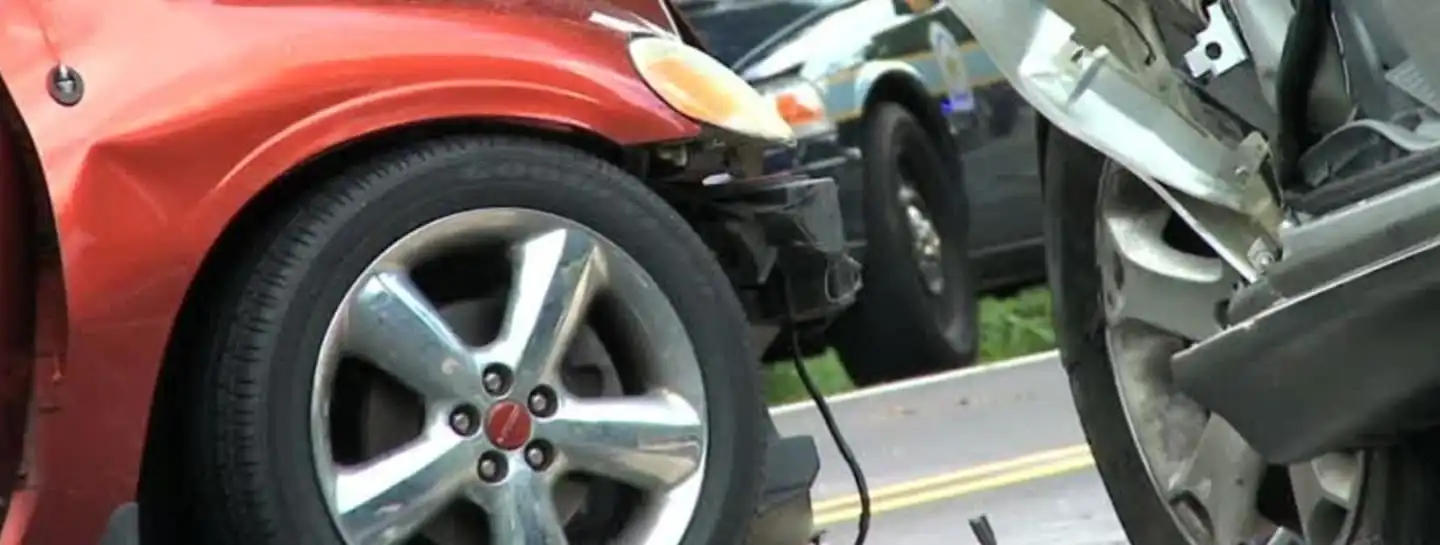
A crash involving an Uber or Lyft is a car accident with one extra question that decides everything: what was the app doing at the moment of impact? The answer determines whether the driver’s personal insurance, a limited rideshare policy, or a $1 million commercial policy is responsible. It also determines who pays your Michigan no-fault benefits, and in what order. Insurers on both sides know the rules; most injured passengers, drivers, and other motorists do not.
This page explains Michigan’s rideshare insurance law, how no-fault applies, and what to do in the first days, when the app data that answers the central question still exists.
ATLAW is a personal injury firm in Dearborn. In 13 years the firm has handled more than 10,000 cases and recovered more than $100 million for clients across Wayne, Oakland, Macomb, and Washtenaw counties. Rideshare cases are handled on contingency: no fee unless we recover money for you, and the first conversation is free.
When you can sue, and whom
For pain and suffering, you may sue the at-fault driver if your injury meets the threshold in MCL 500.3135: death, permanent serious disfigurement, or a serious impairment of body function (objectively manifested, affecting an important body function, affecting your general ability to lead your normal life). Qualifying claims by Michigan residents for economic losses beyond no-fault do not require that injury threshold. The defendants:
- The rideshare driver, covered by whichever policy applied in that period.
- Uber or Lyft directly, in limited circumstances. Because drivers qualify as independent contractors when the conditions in MCL 257.2137 are met, the companies are not automatically liable for a driver’s negligence. They can be liable for their own negligence: approving a driver who failed, or should have failed, the background check the Act requires (MCL 257.2107), or keeping a driver on the platform after complaints. These claims are contested and fact-specific.
- Another driver who caused the crash, covered by their own policy. In a crash between a rideshare vehicle and another car, both drivers’ fault is apportioned, and a passenger can claim against both.
- Your own UM/UIM coverage, if the at-fault driver’s policy is the $50,000 minimum or nothing.
Comparative fault applies: more than 50% at fault bars non-economic damages, and below that the award is reduced by your share. Passengers are rarely assigned fault, which is one reason passenger cases resolve more cleanly than driver cases.
What to do after an Uber or Lyft accident in Michigan
- Screenshot the app immediately: the trip screen, the driver’s name and photo, the license plate, the route, the time. If you are the driver, screenshot your status and the trip log. This is the evidence of which period applied, and it is the one piece the companies will not preserve for you.
- Report the crash to the police and get the report number (UD-10). Make sure the report identifies the vehicle as a rideshare if it was.
- Report it in the app. Uber and Lyft both have an in-app crash report; filing it creates a company record with a timestamp. Report known facts and injuries accurately; do not speculate or accept fault.
- Get medical care the same day. Rideshare injuries are no different from any crash injury; the record dated that day is the case.
- Notify your own auto insurer in writing (no-fault notice), and do not give a recorded statement to Uber’s or Lyft’s insurer, or the other driver’s, without a lawyer. The companies use third-party administrators who will call within days.
- Call a lawyer within the week. The preservation letter for app and GPS data should go out before the companies’ retention windows close.
Deadlines
| Deadline | Applies to | Source |
|---|---|---|
| Days | Preservation letter for app, GPS, and trip data | Practice |
| 1 year from the crash | Written notice for no-fault PIP benefits | MCL 500.3145 |
| 3 years from the crash | Lawsuit against the driver, the company, or another motorist | MCL 600.5805 |
| Per policy, often short | UM/UIM claim notice to your own insurer | Your policy |